
Territory first
We start with the systems and conditions surrounding the operation, not only the asset itself.

01 — Introduction
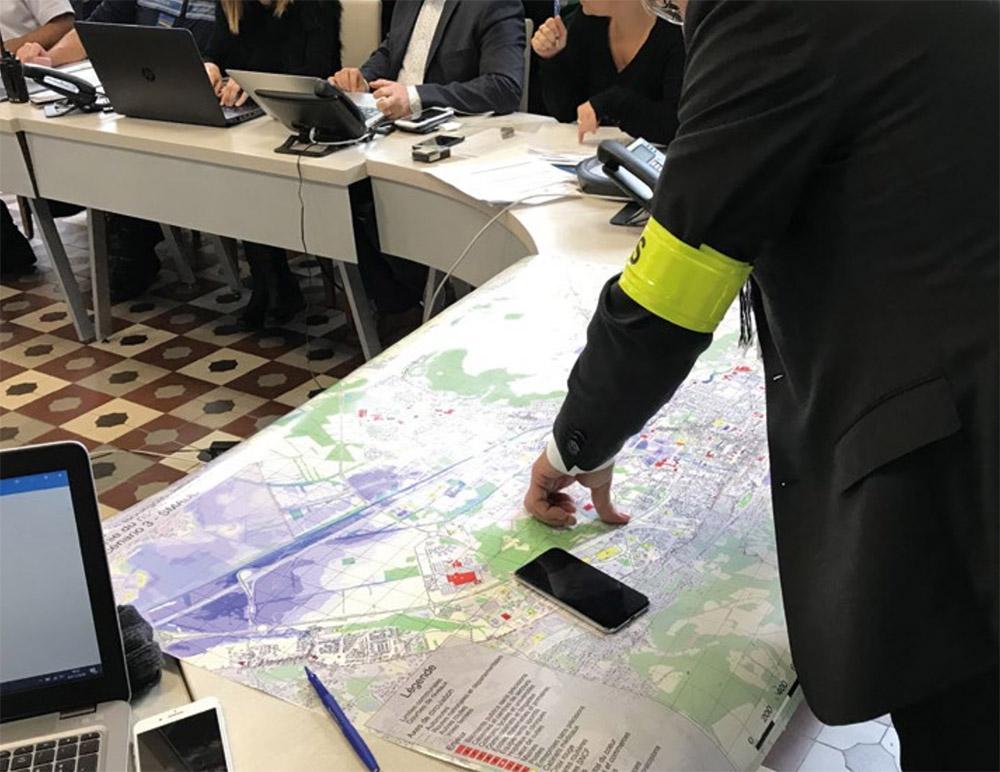
Terranova is a territorial strategy firm that uses intelligence and research to help decision-makers in the public and private sectors understand their vulnerabilities to physical risks, including climate change and man-made events, in order to make decisions that will lead to resilience for them and their network.
02 — Purpose
Improve resilience, stability and recovery for communities highly exposed to physical disruption. From public institutions to private businesses, we help them navigate substantial geographical change, so the society they are part of has a better future.
03 — The team behind
Oriol Jutglar
Founder — Head of Advisory
Urban and territorial planning
Leads the firm's advisory work with public institutions and private businesses on the territorial conditions behind exposure, continuity and recovery.
Luis
Head of Analytics
Urban planner and GIS expert
Responsible for the spatial analysis: urban structure, geographical information and the maps the assessments are built on.
Sami Laiho
Architect and sustainability expert
Works on the architectural and sustainability questions that sit inside a site, and on how those questions meet the territory around it.
Malena Cazorla
Geologist
Works on the ground conditions that affect a site, a corridor or a plan for recovery.
Architecture studios and external specialist consultants join particular briefs. That circle will be named here as those relationships are in place.
03 — Our methodology
TEAM is our proprietary, in-house methodology. It reads a facility through the territory it depends on, and translates that exposure into a scored recommendation the organisation can defend: what to fund, what to defer, and what to act on now.
We build the territorial picture of the operation: the facility, its providers and warehouses, the transport lines and client delivery. Official hazard and physical climate information is overlaid on that whole network, not only on the plot.
A structured workshop with Operations together with Risk or Strategy weighs how critical each dependency is. TEAM then scores every dependency by what its failure would mean for the operation.
Each material dependency is assigned one of four management postures, matched to the nature of the business — a graded call on downtime, capital and continuity.
Our approach
The approach follows the three stages of a disruption cycle. We act on all three — before the event, during it, and after emergency works — so the intelligence is there for the strategic decision and for the intervention.
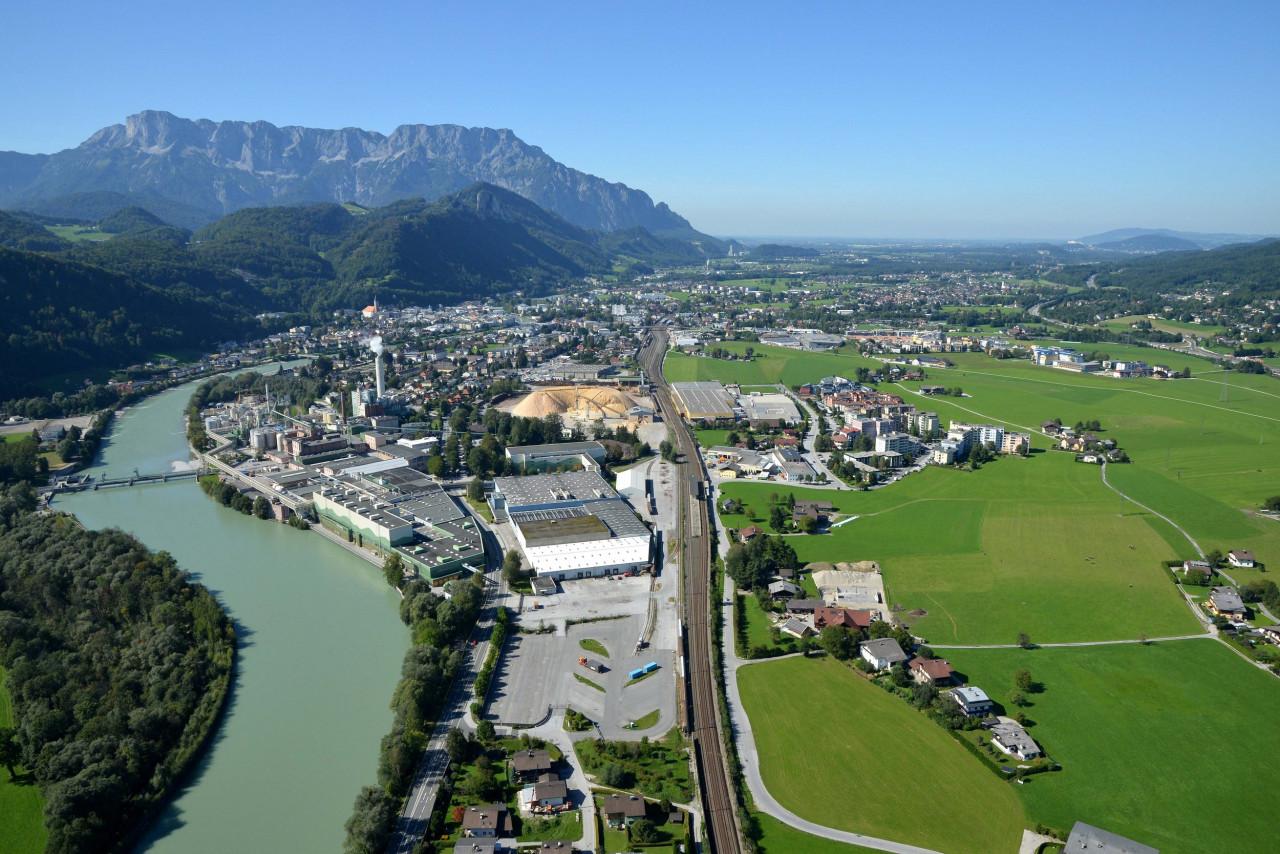
Before disruption: map territorial dependencies, score exposure, and decide what to fund, defer or act on.
Read more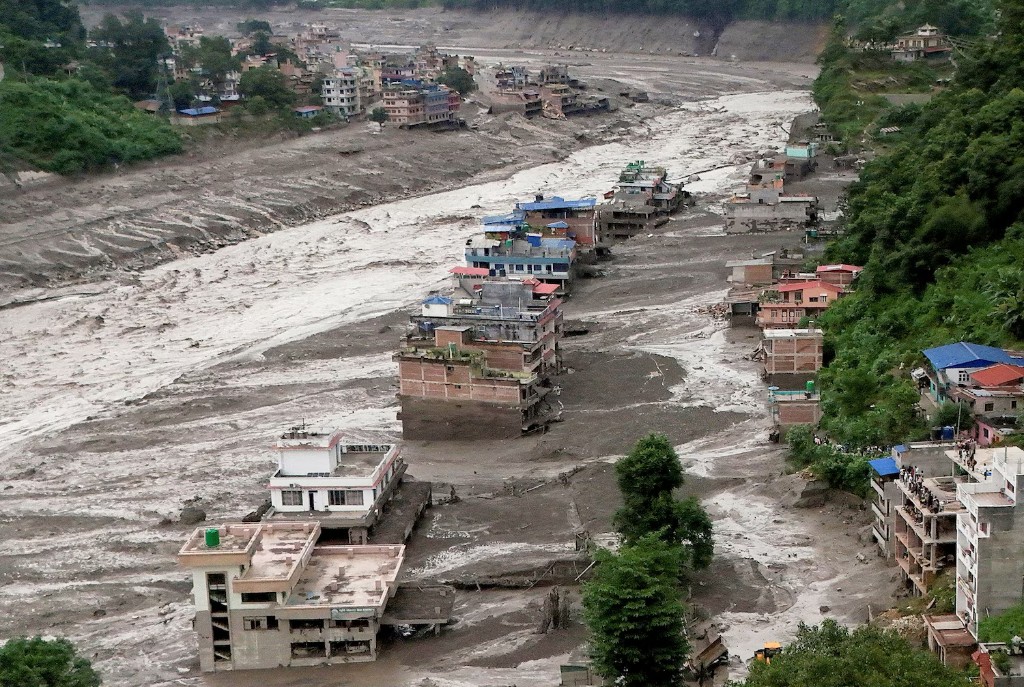
During the event: time-to-reactivation, dual government and company tracks, and where capital should move now.
Read more
After emergency works: reconstruction sequenced for the permanent territorial reset.
Read moreWe start with the systems and conditions surrounding the operation, not only the asset itself.
Exposure is weighed with the people who run the operation, so the reading reflects how the business actually works.
Exposure is translated into operational and strategic consequences — including, where relevant, a comparison across locations.
From anticipating exposure to navigating disruption and shaping recovery, every stage is built to support a clear territorial decision.